Let's be honest, prior authorization is the administrative equivalent of watching paint dry, except it's costing your practice actual money and driving your staff crazy.
If you're still handling prior auth manually in 2026, you're basically volunteering to waste hours every single day on phone calls, faxes (yes, faxes!), and chasing down insurance approvals. The good news? It doesn't have to be this way.
The Real Cost of Manual Prior Authorization
Here's a stat that should make your blood boil: 74% of prior authorization requests in 2020 were still handled via telephone or fax. We're talking about healthcare in the 21st century, folks. We can order dinner, find a date, and manage our entire lives from our phones, but we're still faxing insurance companies like it's 1995.
Manual prior auth isn't just annoying: it's expensive. Every manual request eats up valuable staff time that could be spent on revenue-generating activities or, you know, actually helping patients. Your team is stuck navigating dozens of different payer portals, filling out redundant forms, and playing phone tag with insurance reps who may or may not call back before your patient's procedure date.
The result? Delayed treatments, frustrated patients, burned-out staff, and revenue sitting on the table waiting for someone to push paper.

The Shift to Electronic Prior Authorization (ePA)
Electronic prior authorization systems are game-changers, but only 26% of requests were electronic as recently as 2020. If you're in the 74%, you're leaving efficiency: and money: on the table.
Modern ePA systems integrate directly with your Electronic Health Records (EHR) and insurance portals, automating the entire submission and tracking process. Instead of manually entering the same patient information across multiple platforms, the system pulls data from your EHR, populates pre-established templates tailored to specific payer requirements, and submits everything electronically.
What does this actually look like in practice?
- No more logging into 15 different payer websites
- No more manually typing patient demographics for the hundredth time
- No more printing, signing, scanning, and faxing documents
- Real-time status updates instead of "let me call and check"
- Automated alerts when authorizations need attention
One health system that implemented an automated solution saw a 50% reduction in average authorization submission time. That's literally half the time your staff could be spending on something more productive.
Exception-Based Workflows: Work Smarter, Not Harder
Here's where things get really interesting. The secret isn't just automating everything: it's automating the repetitive stuff so your team only touches the cases that actually need human intervention.
Exception-based workflows operate on a simple principle: let technology handle the routine, and let people handle the complex. When your system can automatically determine PA necessity, submit standard requests, and track status without human input, your staff becomes a specialized task force handling only the tricky cases.
The benefits are immediate:
- Staff focuses on high-priority, high-value tasks
- Faster turnaround times on routine authorizations
- Reduced errors from manual data entry
- Improved patient satisfaction (because nobody's waiting weeks for approval)
- Happier, less burned-out employees
Think of it like this: you wouldn't have a surgeon answering phones, right? So why have your experienced authorization specialists wasting time on routine data entry?
Centralization: One Platform to Rule Them All
If your staff is juggling multiple payer portals, sticky notes with login credentials, and a spreadsheet to track which authorization is where, you're doing it wrong.
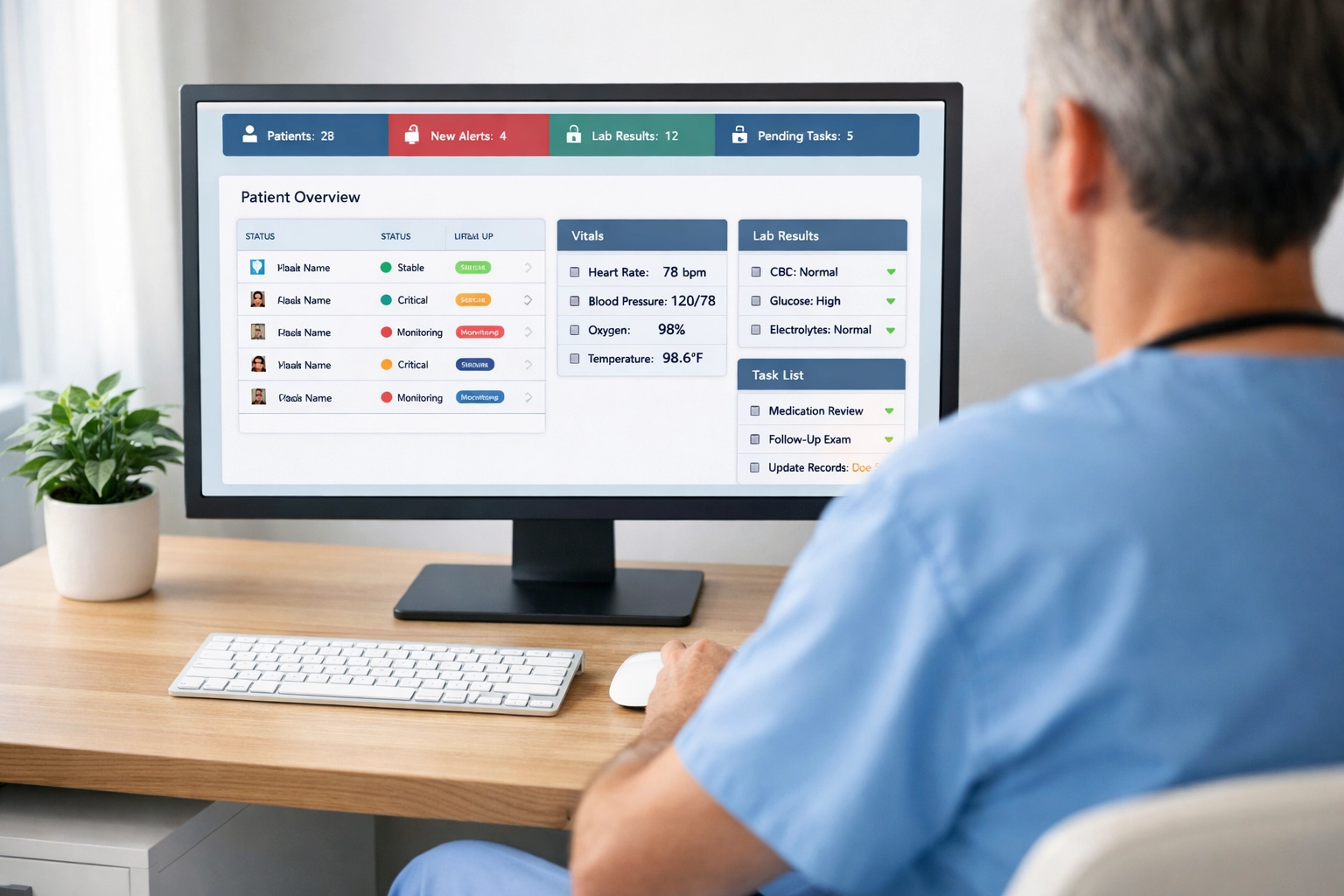
Centralized prior authorization platforms consolidate all your requests, payer decisions, and relevant EHR data into a single comprehensive system. Instead of remembering whether Blue Cross requires Form A or Form B, and where you saved that template for Aetna, everything lives in one place with standardized workflows.
What to look for in a centralized solution:
- Bi-directional data exchange with your EHR and RCM systems
- Automated data entry and documentation
- Status tracking across all payers from one dashboard
- Secure messaging for payer communications
- Reporting and analytics to identify bottlenecks
The goal is simple: eliminate the chaos. When your team can see every pending authorization, track deadlines, and submit requests without jumping between systems, everything moves faster.
Clinical Decision Support: Prevention is Better Than Denial
Here's a pro tip that saves massive headaches: integrate Clinical Decision Support Systems (CDSS) with your EHR to catch prior auth requirements before they become problems.
When your CDSS alerts providers during the ordering process that a medication or procedure requires prior authorization, you can start the process immediately: not three days later when the patient calls asking why their prescription isn't ready. Even better, these systems can recommend alternative treatments that don't require PA, speeding up care delivery.
It's the difference between reactive and proactive authorization management, and it makes all the difference in patient satisfaction and revenue cycle efficiency.

Standard Operating Procedures and Training
Technology is only as good as the people using it. Even the fanciest automation system won't help if your staff doesn't know how to use it or follows inconsistent processes.
Establish clear Standard Operating Procedures (SOPs) that outline:
- How to initiate authorization requests
- Who handles which types of authorizations
- Escalation procedures for denials or delays
- Documentation requirements
- Communication protocols with payers
Train your team thoroughly and create quick-reference guides for common scenarios. Consistency reduces errors, improves efficiency, and makes it easier to onboard new staff.
Tracking and Performance Measurement
You can't improve what you don't measure. Implement tracking systems that monitor:
- Average time from request to approval
- Denial rates by payer and service type
- Staff time spent on authorizations
- Authorization lead time before scheduled procedures
- Appeal success rates
Set achievable goals based on industry benchmarks and celebrate improvements. One health system achieved an 8-day increase in average lead time for starting authorizations and a 97% denial appeal resolution rate after optimizing their processes. Those numbers didn't happen by accident: they happened through measurement and continuous improvement.
The Outsourcing Advantage: Let the Experts Handle It
Here's the thing about prior authorization: it's complicated, time-consuming, and requires specialized knowledge of constantly changing payer requirements. Unless your practice is large enough to support a dedicated prior auth team with ongoing training and technology investments, you're probably better off outsourcing.
Why outsourcing makes sense:
Professional medical billing companies live and breathe prior authorization. They maintain relationships with payers, stay updated on policy changes, leverage enterprise-level technology, and have staff dedicated exclusively to authorization management. When you outsource, you're getting expertise and efficiency that's nearly impossible to replicate in-house.
Plus, you eliminate the headache of staff turnover. When your in-house authorization specialist leaves, you're stuck training someone new and dealing with the learning curve. With outsourced services, that's not your problem.
Why USA-Based Makes a Difference
Not all medical billing services are created equal. When you partner with a 100% USA-based company, you're getting:
- HIPAA compliance without communication barriers
- Real-time support during your business hours
- Cultural understanding of US healthcare systems
- Data security under US regulations
- Direct communication with knowledgeable staff
At ALS Billing, we're proud to be 100% USA-based, which means your prior authorization requests are handled by experienced professionals who understand the nuances of US payers, speak your language, and are available when you need them.

Take Control of Your Prior Authorization Process
Manual prior authorization is a profit killer and a morale destroyer. The technology and expertise exist to fix this problem: you just need to implement the solution.
Whether you choose to automate in-house or partner with a specialized billing service, the status quo isn't acceptable. Your staff deserves better tools, your patients deserve faster care, and your practice deserves better cash flow.
Ready to stop wasting time on manual authorization? ALS Billing specializes in prior authorization management and revenue cycle optimization. Our 100% USA-based team handles the complexity so you can focus on patient care.
Contact Rachel at (513) 493-1235 or visit www.alsbilling.com to learn how we can streamline your authorization workflow and recover revenue you're currently leaving on the table.
Your time is too valuable to spend on hold with insurance companies. Let's fix this together.